You pull into a quick lube shop, hand over your keys, and suddenly find yourself waiting longer than expected, wondering how long an oil change is actually supposed to take. Many drivers face this uncertainty, which often leads to wasted time, missed plans, or even paying for unnecessary extra services they didn’t need.
This guide breaks down real oil change times based on shop type, vehicle type, and DIY options so you know exactly what to expect before you arrive. It also helps you understand common delays and what red flags to watch for, giving you a clear, practical idea of how long the process should really take in different situations.
How Long Does an Oil Change Take on Average?
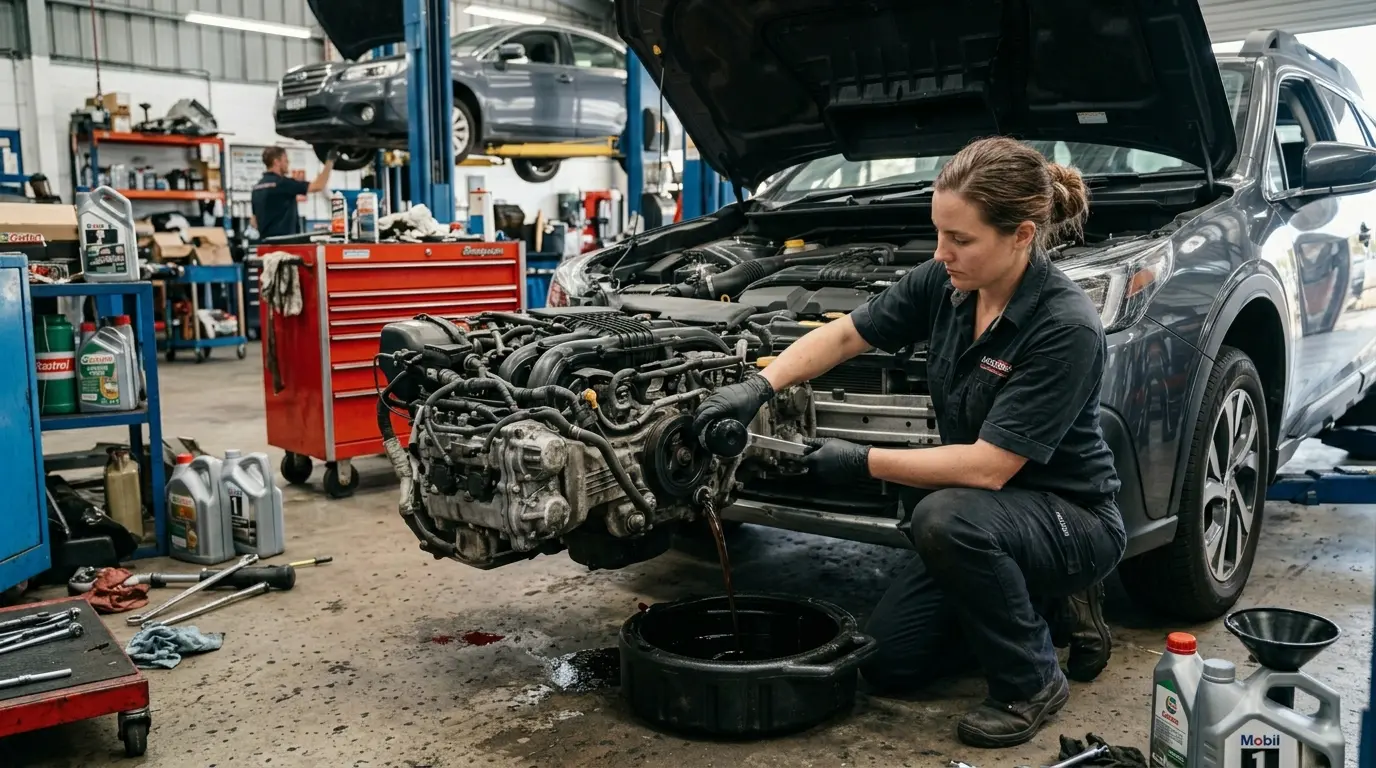
A standard oil change takes 15 to 45 minutes at most shops.
That range exists because no two situations are identical. A simple oil change on a Honda Civic at a quick lube shop can wrap up in 15 minutes. A full-synthetic oil change on a BMW at a dealership might take 45 minutes or more . especially when they bundle in a multi-point inspection.
Here is a simple breakdown to start:
| Service Type | Average Time |
| Quick lube shop (e.g., Jiffy Lube, Valvoline) | 15–30 minutes |
| Dealership oil change | 30–60 minutes |
| Independent mechanic | 20–45 minutes |
| Walmart Auto Care Center | 45–60 minutes |
| DIY at home | 30–60 minutes |
Oil Change Time by Location
How Long Does an Oil Change Take at Jiffy Lube?
Jiffy Lube is designed for fast service, with most oil changes completed in about 20 to 30 minutes, and sometimes as quick as 15 minutes when it’s not busy. However, if additional services like air filter replacement, cabin filter, or tire rotation are recommended, the total time can increase by 10 to 20 minutes per service, though customers can always decline extras to keep it quick.
How Long Does an Oil Change Take at Valvoline?
Valvoline Instant Oil Change typically completes oil changes in 15 to 20 minutes thanks to its drive-through system where you stay in your car. During off-peak hours, some services can even finish in around 10 minutes, especially in the early morning or weekday afternoons when traffic is lighter.
How Long Does an Oil Change Take at Walmart?
Walmart Auto Care Center is generally slower due to high customer volume and multiple services running at the same time. Most oil changes take around 45 to 90 minutes, and it can take even longer on weekends, although the lower pricing makes it a budget-friendly option for those who are not in a hurry.
How Long Does an Oil Change Take at a Dealership?
Toyota Service Center, Honda Service Center, and other dealerships usually take around 45 minutes to over an hour for a basic oil change. This includes check-in time, inspections, and multiple vehicles being serviced at once, although the benefit is manufacturer-approved service and expert handling.
How Long Does an Oil Change Take at Toyota or Honda Dealers?
At Toyota and Honda dealerships, oil changes generally take 30 to 60 minutes. Some Toyota Express Maintenance lanes can complete the job in around 30 minutes, while Honda dealerships usually take closer to 45 minutes once the full inspection is included, making them slightly slower but more thorough than quick lube centers.
How Long Does an Oil Change Take at a BMW Dealer?
BMW Service Center oil changes typically take longer, usually around 45 to 75 minutes and sometimes up to 90 minutes during busy periods. This is because BMW engines often require specific full-synthetic oils, more detailed disassembly, and a full vehicle health check, which increases the overall service time compared to standard oil changes.
Why Some Oil Changes Take Longer?
Not every delay is the shop’s fault. Several factors can legitimately extend the time it takes.
High-volume shop traffic
Shops on a Saturday morning can have five or six cars ahead of you even with an appointment. Always call ahead or book online.
Drain and fill time
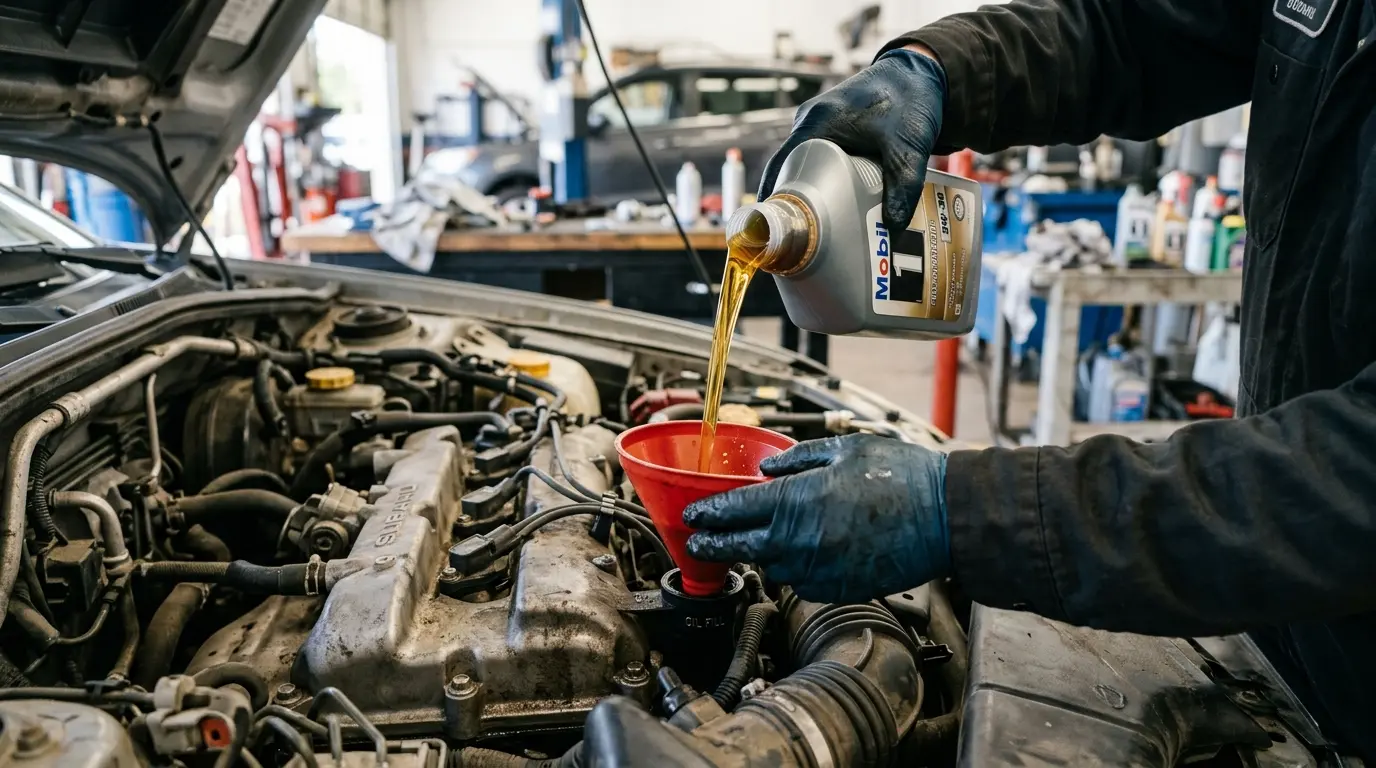
Full-synthetic oil drains slower than conventional oil. The technician has to wait for the old oil to fully drain before adding the new oil rushing this step leads to contamination.
Additional services
Tire rotation, air filter replacement, or a brake inspection all add time. Know what you’re agreeing to before the tech starts.
Stripped drain plug or stuck oil filter
A stripped drain plug is a mechanic’s nightmare. If the plug was overtightened during the last oil change, fixing it can add 20 to 30 minutes.
Understaffed bays
Some shops run with fewer technicians than ideal, especially mid-week. Fewer hands means slower service, even for basic jobs.
How Long Does an Oil Change and Tire Rotation Take?
Combining an oil change with a tire rotation is a common and efficient maintenance service, as most mechanics recommend rotating tires every 5,000 to 7,500 miles. In most cases, the combined service takes around 45 to 75 minutes depending on the vehicle and service location. A tire rotation alone usually takes about 20 to 30 minutes, while an oil change takes around 15 to 30 minutes, but when both are done together, the process is faster due to overlapping labor since the vehicle is already on the lift. At quick lube shops like Jiffy Lube or Valvoline, the total time is often around 40 to 50 minutes, while dealerships may take up to 90 minutes, especially when they include inspections or additional maintenance checks.
How Long Does an Oil Change Take at Home?
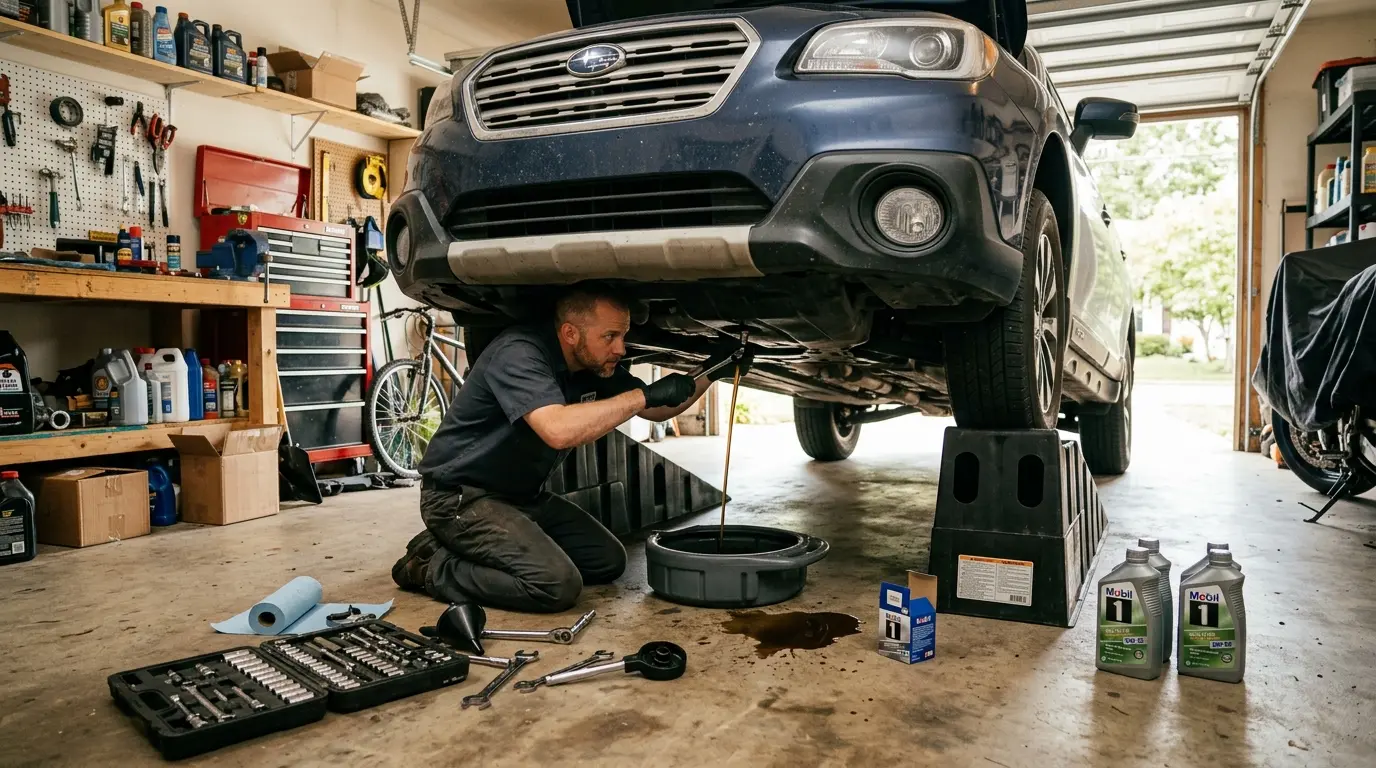
Doing your own oil change can save money and help you understand your vehicle better, but it is not necessarily faster than going to a professional shop. For beginners, a first DIY oil change usually takes around 60 to 90 minutes, while an experienced home mechanic can complete the job in about 30 to 45 minutes depending on tools and setup.
DIY Oil Change Time Breakdown
| Step | Estimated Time |
|---|---|
| Gather tools and supplies | 5–10 minutes |
| Warm up the engine | 2–5 minutes |
| Drain old oil | 10–15 minutes |
| Replace oil filter | 5–10 minutes |
| Add new oil & check level | 5–10 minutes |
| Cleanup & dispose oil | 10–15 minutes |
| Total Time | 37–65 minutes |
To complete the process smoothly, you also need proper tools such as a drain pan, oil filter wrench, car jack or ramps, gloves, and the correct oil and filter for your vehicle. Always check your owner’s manual before starting so you use the right oil type and quantity. Overall, doing it yourself is a cost-effective option that also gives you practical hands-on experience with basic vehicle maintenance.
Signs Your Oil Change Is Taking Too Long?
Most delays are usually justified, but sometimes long waiting times can be used for unnecessary upselling or poor service practices. If your oil change is going beyond the normal timeframe, it’s important to pay attention to what’s happening with your vehicle.
Is the Technician Repeatedly Saying “We Found Something Else”?
This can often be an upselling tactic rather than a real issue with your car. Always ask for clear details and consider a second opinion before agreeing to any extra repairs.
Is Your Oil Change Taking Over 60 Minutes Without Any Update?
A standard oil change should not usually exceed an hour under normal conditions. If there is no clear communication, it’s reasonable to ask for a status update on your vehicle.
Is There No Visible Work Being Done on Your Car?
If your vehicle has been sitting in the service bay without activity for a long time, it may indicate unnecessary delay. You should politely ask what stage the service is currently in.
Are They Not Clearly Explaining the Oil Used?
A proper service should always tell you the exact oil grade and brand used in your engine. Vague answers can be a sign of poor transparency or incomplete service.
How to Speed Up Your Oil Change Visit?
These small steps can cut your wait time significantly.
Book an appointment
Walk-ins at dealerships can wait much longer than scheduled customers.
Go during off-peak hours
Tuesday and Wednesday mornings are typically the least busy.
Choose a quick lube shop for routine changes
If your car is not under warranty, Valvoline or Jiffy Lube are built for speed.
Know your oil type in advance
Having this information ready prevents delays at the counter.
Decline add-on services you do not need that day
Save the cabin filter and wiper blades for another visit.
Use the app or online check-in
Some Valvoline and Jiffy Lube locations let you check in online before you arrive.
Expert Tips From Mechanics
Several professional mechanics share consistent advice on this topic.
Change your oil on schedule, not just when the light comes on
Most modern vehicles use oil life monitoring systems. These are reliable, but waiting until 0% oil life means your oil has been degraded for a while. A good target is 10–15% remaining.
Use the oil grade your manufacturer specifies
Using the wrong viscosity can shorten engine life and sometimes void your warranty. The number is in your owner’s manual and usually on a sticker inside the oil cap.
Ask for the old oil filter back
This is an easy way to verify the filter was actually changed. Honest shops will hand it over without hesitation.
Synthetic oil lasts longer, but the service interval still matters
Full synthetic oils are rated for 7,500 to 10,000 miles in most vehicles. But heat, towing, and short trips degrade oil faster than mileage alone suggests. Follow the oil life monitor over the mileage interval..
Final Thoughts
An oil change does not have to take up your entire afternoon, as the time required depends on where you go and whether you add extra services. At a quick lube shop, it usually takes around 15 to 30 minutes, while a dealership typically requires about 45 to 60 minutes, and a DIY oil change at home can take around an hour. If you also include a tire rotation, the total time generally increases by another 20 to 30 minutes. To save time, it’s best to book an appointment, visit during off-peak hours, and know your vehicle’s oil specifications before you arrive. Regular oil changes are a simple and cost-effective way to protect your engine, which is one of the most valuable parts of your car.Explore more helpful AI, tech, and automotive guides on AiBlogsWorld for the latest updates and in-depth articles.
FAQs
How long does it usually take to do an oil change?
For most vehicles at a quick lube shop, a standard oil change takes 15 to 30 minutes. At a dealership, plan for 45 to 60 minutes due to check-in procedures and inspections.
Is 15 minutes too fast for an oil change?
No. A 15-minute oil change is absolutely possible at a well-staffed, drive-through quick lube shop. The process itself, draining old oil, replacing the filter, and adding new oil can be completed quickly when done by an experienced technician with the right setup.
How long should an oil change last you?
The oil change interval depends on your vehicle and oil type. Conventional oil typically lasts 3,000 to 5,000 miles. Full synthetic oil lasts 7,500 to 10,000 miles, and some formulations are rated up to 15,000 miles. Always follow the manufacturer’s recommendation in your owner’s manual.
How long does an oil change take on average?
The national average for a standard oil change is approximately 30 to 45 minutes, accounting for all shop types and vehicle types.
How long does an oil change take to start?
If you have an appointment, the oil change typically starts within 5 to 10 minutes of your arrival. Walk-in customers at busy shops can wait 20 to 30 minutes just to get into a bay.
Can I wait at the shop during my oil change?
Yes. Almost all oil change shops have a waiting area. Quick lube shops like Jiffy Lube and Valvoline are specifically designed for customers who wait on-site.